

Golf Cart Buying Guide: A Comprehensive Overview (Updated 03/09/2026)
Navigating the world of golf carts requires careful consideration. From lithium batteries offering extended life to choosing between gas and electric models,
this guide provides essential insights for informed decisions, ensuring a smooth and enjoyable golfing experience.
I. Understanding Your Needs
Before diving into the specifics of golf carts, a thorough self-assessment is crucial. Consider the primary use: will it be for leisurely rounds on a golf course, navigating a large property, or perhaps for commercial purposes like transporting personnel or equipment? This dictates the required power, range, and durability;
Think about the typical terrain. Smooth, paved paths demand different features than rough, uneven landscapes. The number of frequent passengers is also key – a solo golfer has vastly different needs than a family of four.
Budget plays a significant role. New carts offer the latest technology and warranties, while used carts present a more affordable entry point, though potentially requiring more maintenance. Furthermore, contemplate long-term costs like battery replacement (especially for electric models) and routine servicing. Defining these needs upfront streamlines the selection process and ensures a satisfying purchase.

Golf Cart Types: Choosing the Right Fit
Selecting the ideal golf cart hinges on understanding available options. Gas and electric models cater to diverse preferences, while new versus used carts present distinct advantages and budgetary considerations.
Gas vs. Electric Golf Carts: Pros and Cons
Gas golf carts traditionally offer a longer range and quicker refueling, making them suitable for larger courses or frequent, extended use. However, they require more maintenance – oil changes, spark plug replacements, and carburetor cleaning are all part of the ownership experience. Gas carts also produce emissions, which may be a concern for environmentally conscious buyers and some golf courses.
Electric golf carts, conversely, are known for their quiet operation and zero emissions, contributing to a more peaceful golfing environment. Modern electric carts, particularly those equipped with lithium-ion batteries, boast impressive range and relatively quick charging times. While historically lead-acid batteries required regular maintenance and had a shorter lifespan, lithium-ion technology significantly reduces these concerns.
The initial purchase price of an electric cart can sometimes be higher due to the battery cost, but long-term operating expenses are often lower due to reduced maintenance. Ultimately, the best choice depends on your specific needs, course size, and environmental preferences.
New vs. Used Golf Carts: Weighing the Options
Purchasing a new golf cart offers the peace of mind of a full warranty, the latest features, and the ability to customize the cart to your exact specifications. You’ll benefit from the newest battery technology, like lithium-ion, and modern motor designs, ensuring optimal performance and longevity. However, new carts come with a higher price tag and experience immediate depreciation.
Opting for a used golf cart can significantly reduce the initial investment. A well-maintained used cart can provide years of reliable service, especially if it has been regularly serviced and stored properly. However, used carts may require immediate repairs or maintenance, and the warranty coverage will likely be limited or nonexistent. Thorough inspection is crucial, checking the battery health, motor condition, and overall chassis integrity.
Consider your budget, mechanical aptitude, and willingness to accept potential repairs when making your decision. A pre-purchase inspection by a qualified technician is highly recommended for used carts.
Personal vs. Commercial Use: Defining Your Requirements
The intended use of your golf cart dramatically impacts the features and specifications you should prioritize. Personal use, typically for recreational golfing or navigating a residential community, often prioritizes comfort, aesthetics, and basic functionality. A two or four-person cart with moderate storage may suffice, with a focus on battery life for typical course distances.
Commercial applications, such as golf course rentals, security patrols, or transportation within resorts, demand significantly more durability and reliability. These carts require heavy-duty chassis, robust motors, and potentially larger battery capacities to withstand continuous use. Features like fleet management systems and enhanced safety equipment become essential.
Commercial carts often benefit from gas-powered engines for extended run times and quicker refueling, while personal carts frequently favor the quiet operation and lower maintenance of electric models. Carefully assess your operational needs and anticipated usage patterns to select a cart appropriately equipped for its intended purpose.
II. Key Components & Features
Understanding core components is crucial. Batteries, motors, chassis, and tires define performance and ride quality; lithium-ion options offer extended life and power output.
Batteries: The Heart of Electric Carts
Electric golf carts rely heavily on their battery systems for performance and range. Choosing the right battery type is a significant decision, impacting both upfront cost and long-term maintenance. Two primary options dominate the market: lithium-ion and lead-acid batteries.
Lithium-Ion Batteries: Advantages & Lifespan
Lithium-ion batteries are increasingly popular due to their numerous advantages. They boast a significantly longer lifespan, often providing two to three times more cycles than lead-acid counterparts. Furthermore, lithium-ion batteries offer a consistent power output throughout their discharge cycle, ensuring reliable performance. Their lightweight design also contributes to improved cart efficiency and speed. High integration and small size with high energy density are key features.

Lead-Acid Batteries: Cost & Maintenance Considerations
Lead-acid batteries remain a cost-effective option, particularly for initial purchase. However, they require regular maintenance, including watering and equalization charging, to maximize their lifespan. They are also heavier and have a shorter overall lifespan compared to lithium-ion. While the initial investment is lower, the long-term costs associated with replacement and maintenance can often exceed those of lithium-ion batteries.
Lithium-ion batteries represent a significant advancement in golf cart power technology, offering a compelling array of benefits over traditional lead-acid options. A primary advantage lies in their extended lifespan; these batteries can endure two to three times more charge cycles, translating to years of reliable service. Unlike lead-acid batteries, lithium-ion maintains consistent power output throughout its discharge, preventing performance decline during your round.
Furthermore, lithium-ion batteries are considerably lighter, enhancing the cart’s overall efficiency and potentially increasing speed. Their compact size allows for more flexible design options. They are also spill-proof, offering a safer operating experience. Battery life is notably longer than competitors, with some boasting 1.5 to 2 times the longevity of European and American brands. High integration, small size, and high energy density are defining characteristics.
Lead-acid batteries have historically been the standard power source for golf carts, primarily due to their lower initial cost compared to lithium-ion alternatives. However, this affordability comes with trade-offs. Lead-acid batteries require regular maintenance, including frequent watering to prevent damage and ensure optimal performance. Neglecting this maintenance can significantly shorten their lifespan and diminish their capacity.
Furthermore, lead-acid batteries are considerably heavier than lithium-ion, impacting the cart’s efficiency and potentially reducing speed. They also exhibit a gradual decline in power output as they discharge, meaning you may experience reduced performance towards the end of your round; While the upfront cost is lower, the need for frequent replacements – as they have a shorter lifespan – and ongoing maintenance can ultimately make them more expensive in the long run. Proper care is crucial for maximizing their usability.
Motors: Powering Your Ride
The motor is the engine of your golf cart, directly impacting its performance and capabilities. Electric golf carts predominantly utilize DC (Direct Current) motors, known for their reliability and relatively simple construction. These motors deliver instant torque, providing quick acceleration and smooth operation, especially beneficial on hilly courses. However, motor power varies significantly between models.
Higher wattage motors generally translate to greater speed and the ability to handle steeper inclines with heavier loads. Gas-powered carts, conversely, employ internal combustion engines, offering a different power delivery profile. When selecting a motor, consider the terrain you’ll frequently encounter and the typical number of passengers and cargo; A more powerful motor is essential for challenging courses or if you anticipate carrying substantial weight. Motor efficiency also plays a role in overall energy consumption and range.
Chassis & Suspension: Ensuring a Smooth Ride
The chassis and suspension system are critical for ride comfort and stability, particularly when navigating uneven terrain. A robust chassis provides the foundational strength of the golf cart, while the suspension absorbs bumps and vibrations. Basic golf carts often feature a simple leaf spring suspension, adequate for smoother courses. However, for rougher conditions, independent suspension systems – utilizing coil springs or even air shocks – offer a significantly improved ride quality.
Independent suspension allows each wheel to move independently, minimizing the impact of obstacles on the cabin. Consider the type of terrain you’ll primarily be driving on. If your course is relatively flat and well-maintained, a basic suspension may suffice. But for hilly, bumpy courses, investing in a cart with a more sophisticated suspension system will greatly enhance your comfort and enjoyment. The chassis material also impacts durability and weight.
Tires: Terrain & Performance
Golf cart tires significantly impact handling, traction, and overall performance. The tire tread pattern is a key factor; smooth tires are ideal for pristine golf courses, providing minimal disruption to the turf. However, if you frequently encounter wet grass, sandy areas, or rough terrain, tires with a more aggressive tread pattern are essential for maintaining grip and control.
Tire size also plays a role. Larger tires can improve ground clearance and provide a smoother ride, but may also affect the cart’s speed and maneuverability. Consider the tire’s construction – radial tires generally offer better durability and a more comfortable ride compared to bias-ply tires. Regularly check tire pressure to ensure optimal performance and longevity. Proper tire maintenance extends their lifespan and contributes to a safer, more enjoyable golfing experience. Selecting the right tires is crucial for adapting to diverse course conditions.

III. Essential Features to Consider
Prioritize features like seating capacity, storage, and weather protection. Lighting enhances safety, while enclosures offer comfort. Carefully evaluate these elements based on your specific needs and usage scenarios.
Seating Capacity: 2-Person, 4-Person, or More
Determining the appropriate seating capacity is fundamental to golf cart selection. A 2-person cart is ideal for solo golfers or couples, offering a compact and maneuverable option. However, if you frequently play with friends or family, a 4-person cart provides ample space for everyone. Larger carts, accommodating six or more passengers, are suitable for commercial operations or large groups.
Consider your typical golfing companions and the intended use of the cart. Will it primarily be used for recreational rounds, or will it also be employed for transporting equipment or personnel around a course or property? The number of seats directly impacts the cart’s size and weight, potentially affecting its performance and handling.
Furthermore, increased seating capacity often necessitates a more powerful motor and larger battery pack, influencing the overall cost. Evaluate whether the added convenience of extra seats justifies the potential increase in price and maintenance requirements. Think about future needs as well – will your golfing group likely expand over time?
Storage Options: Cargo Beds & Glove Boxes
Practicality extends beyond passenger comfort; storage capabilities are crucial for a convenient golfing experience. Many golf carts offer integrated storage solutions, ranging from modest glove boxes to expansive cargo beds. Glove boxes, typically located within the dashboard, provide secure storage for personal items like keys, phones, and wallets.
For transporting golf bags, shoes, towels, and other equipment, a rear cargo bed is invaluable. These beds come in various sizes and configurations, some with optional dividers or covers to secure the load. Consider the amount of gear you typically carry and choose a cart with sufficient storage space.
Some models even offer under-seat storage or specialized compartments for specific items. Evaluate whether you need the capacity to carry additional items beyond golfing essentials, such as coolers or maintenance tools; Thoughtful storage solutions enhance the overall usability and enjoyment of your golf cart.
Windshields & Enclosures: Protection from the Elements
Golfing often means facing unpredictable weather, making windshields and enclosures essential for comfort and protection. A basic windshield shields you from wind, rain, and debris, enhancing visibility and reducing exposure. Options range from simple, foldable windshields to full, rigid designs offering superior protection.
For colder climates or year-round use, consider a full enclosure. These typically include a windshield, side panels, and a rear panel, creating a climate-controlled cabin. Enclosures provide protection from wind, rain, and cold temperatures, allowing you to golf comfortably in various conditions.
Evaluate the quality of materials used in the windshield and enclosure, opting for durable and UV-resistant options. Consider features like ventilation and easy access for added convenience. Investing in a quality windshield or enclosure significantly extends your golfing season and enhances your overall experience.
Lighting: Safety & Visibility
Adequate lighting is paramount for safe golf cart operation, especially during dawn, dusk, or inclement weather. Basic lighting includes headlights for forward visibility and taillights for rearward awareness. Ensure the headlights are bright enough to illuminate the path ahead, and taillights are clearly visible to other golfers and vehicles.
Beyond the basics, consider additional lighting features like turn signals and brake lights, enhancing safety and communication on the course. Some carts offer integrated lighting systems with customizable options. For nighttime driving, brighter LED headlights are highly recommended.
Check local regulations regarding required lighting for golf carts. Regularly inspect all lights to ensure they are functioning correctly. Properly maintained lighting significantly improves visibility, reduces the risk of accidents, and contributes to a safer golfing experience for everyone on the course.

IV. Budget & Additional Costs
Beyond the initial purchase, factor in long-term expenses. Maintenance, battery replacements (a significant investment!), and desired customizations all contribute to the total cost of ownership.
Initial Purchase Price: Setting a Realistic Budget
Establishing a realistic budget is the first step in your golf cart journey. New golf carts typically command a higher price tag, ranging from approximately $8,000 to $14,000 or even more, depending on the features and brand. Consider models from established manufacturers like Club Car, E-Z-GO, and Yamaha, known for their quality and reliability.
Used golf carts present a more affordable option, with prices starting around $3,000 and potentially reaching $8,000, contingent on the cart’s age, condition, and included accessories. Thorough inspection is crucial when opting for a used cart to identify any potential maintenance needs. Remember to factor in potential repair costs when evaluating a used cart’s overall value.
The type of cart – gas or electric – also influences the initial cost. Electric carts generally have a lower upfront price, but battery replacement costs should be considered. Gas carts may have a higher initial investment but offer greater range without the need for frequent charging. Carefully assess your needs and usage patterns to determine the most cost-effective option.
Maintenance Costs: Long-Term Expenses

Beyond the initial purchase price, ongoing maintenance represents a significant long-term expense. Gas-powered golf carts require regular engine maintenance, including oil changes, spark plug replacements, and air filter cleaning, mirroring the upkeep of a standard vehicle. These costs can accumulate over time, demanding consistent attention.
Electric golf carts generally have lower routine maintenance needs, but battery care is paramount. Lead-acid batteries require regular watering and eventual replacement, a substantial expense. Lithium-ion batteries, while pricier upfront, boast a longer lifespan and reduced maintenance, potentially offsetting the initial cost difference.
Regardless of the power source, all golf carts benefit from periodic tire inspections, brake adjustments, and chassis lubrication. Proactive maintenance prevents costly repairs down the line. Consider establishing a maintenance schedule and budgeting accordingly to ensure your golf cart remains in optimal condition for years to come. Neglecting maintenance can lead to decreased performance and shortened lifespan.
Battery Replacement Costs: A Significant Investment
Battery replacement represents one of the most substantial long-term costs associated with electric golf cart ownership. Lead-acid batteries, the traditional choice, typically last 3-5 years with proper maintenance, but require replacement at a cost ranging from $800 to $1500, depending on the voltage and capacity.
Lithium-ion batteries, while initially more expensive, offer a significantly longer lifespan – often 8-10 years or more – and can withstand a greater number of charge cycles. Although the upfront cost for a lithium-ion pack can be $2000 to $4000, the extended lifespan and reduced maintenance can result in long-term savings.
Factors influencing battery life include usage frequency, charging habits, and environmental conditions. Proper charging practices, such as avoiding deep discharges and storing batteries fully charged during off-season, can maximize their lifespan. Budgeting for eventual battery replacement is crucial for responsible golf cart ownership.

Customization & Accessories: Adding Personal Touches
Beyond the core functionality, customizing your golf cart enhances both its practicality and aesthetic appeal. A wide array of accessories are available, ranging from practical additions like cargo beds and glove boxes for storage, to comfort-focused items such as upgraded seating and stylish steering wheels.
Protection from the elements is readily achievable with windshields and full enclosures, extending the usability of your cart throughout the year. Safety is paramount, so consider adding lighting kits for improved visibility. Furthermore, personalizing with unique color schemes, lift kits, and custom wheels allows you to express your individual style.
Budgeting for these enhancements is essential. While basic accessories are relatively affordable, more elaborate customizations can significantly increase the overall cost. Remember to prioritize features that align with your specific needs and usage patterns, creating a golf cart that is both functional and uniquely yours.

V. Top Brands & Models
Leading manufacturers like Club Car, E-Z-GO, and Yamaha offer diverse options. Club Car stands out as an industry leader, while E-Z-GO provides variety and Yamaha delivers reliable performance.
Club Car: Industry Leader & Reputation
Club Car has cemented its position as a dominant force in the golf cart industry, consistently recognized for its quality, innovation, and comprehensive range of vehicles; Beyond traditional golf carts, they excel in utility vehicles and personal transportation solutions, demonstrating a versatile manufacturing capability. Their longstanding reputation is built upon decades of experience and a commitment to exceeding customer expectations.
The brand’s success stems from a focus on durability and advanced features. Club Car vehicles are known for their robust construction, ensuring longevity even with frequent and demanding use. They continually integrate cutting-edge technology, enhancing performance and the overall user experience. This dedication extends to offering customizable options, allowing buyers to tailor their carts to specific needs and preferences.
Furthermore, Club Car boasts an extensive dealer network, providing readily available service and support. This accessibility, coupled with a strong resale value, makes Club Car a smart investment for both individuals and commercial operations. Their commitment to sustainability is also noteworthy, with increasing adoption of electric and environmentally conscious technologies.
E-Z-GO: Popular Choice & Variety
E-Z-GO consistently ranks among the most popular golf cart brands, largely due to its diverse product line and commitment to providing options for a wide range of users. From classic golf carts to rugged utility vehicles and comfortable personal transportation models, E-Z-GO caters to varied needs and budgets. This broad appeal has established a strong presence in golf courses, communities, and private estates alike.
A key strength of E-Z-GO lies in its adaptability. They offer both gas and electric models, including those powered by advanced lithium-ion batteries, providing customers with choices aligned with their operational preferences and environmental concerns. The brand also prioritizes user comfort, incorporating ergonomic designs and convenient features into their vehicles.
E-Z-GO’s popularity is further bolstered by a robust dealer network and readily available parts and service. This ensures convenient maintenance and support for owners. Their vehicles are known for their reliability and ease of operation, making them a practical and enjoyable choice for golfers and beyond.
Yamaha Golf-Car: Reliability & Performance
Yamaha Golf-Car has cultivated a strong reputation for building exceptionally reliable and high-performing golf carts, leveraging decades of engineering expertise from its broader powersports background. This translates into durable vehicles capable of withstanding frequent use and diverse terrains. Yamaha’s commitment to quality control and robust construction materials contribute to their longevity and reduced maintenance requirements.
Performance is a hallmark of Yamaha Golf-Cars. Their engines and electric motors are designed for efficient power delivery, ensuring a smooth and responsive ride. The chassis and suspension systems are engineered to provide stability and comfort, even on uneven surfaces. This focus on performance extends to their utility vehicles, which are built to handle demanding tasks.
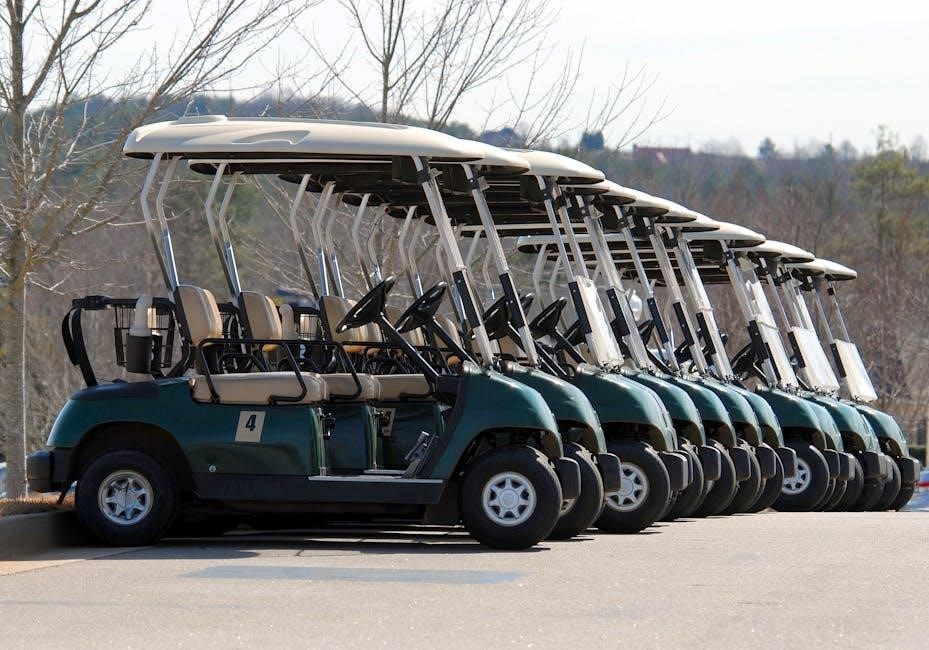
Yamaha also offers a range of customization options, allowing owners to personalize their carts to suit their individual preferences. Coupled with a dedicated dealer network, Yamaha provides a comprehensive ownership experience focused on lasting value and dependable operation.