

Understanding ZOOM! Whitening: A Comprehensive Post-Op Guide
ZOOM! whitening offers a remarkably brighter smile, but diligent post-operative care is vital for lasting results and minimizing sensitivity.
This guide details everything from initial hydration to long-term maintenance, ensuring your investment shines brilliantly for up to a year.
Following these instructions carefully will help protect your newly whitened teeth, preventing staining and maximizing the benefits of the treatment.
What is ZOOM! Whitening?
ZOOM! Whitening is an in-office teeth whitening procedure utilizing advanced light technology and a specially formulated hydrogen peroxide gel to dramatically brighten your smile. Unlike over-the-counter options, ZOOM! delivers noticeable results in a single visit, often achieving six to ten shades lighter.
The process works by activating the whitening gel with a specialized light, which penetrates the enamel to break down stains caused by food, drinks, and aging. This isn’t merely a surface-level treatment; the gel effectively targets discoloration within the tooth structure.
Because of its potency, proper post-operative care is crucial. Think of your teeth as being porous after the treatment, similar to a freshly painted wall, making them temporarily more susceptible to re-staining. Following the recommended guidelines – including dietary restrictions and diligent oral hygiene – will safeguard your brighter, new smile and extend the longevity of the results.
The goal is to maintain that dazzling whiteness!
The ZOOM! Whitening Procedure: A Brief Overview

The ZOOM! Whitening procedure typically begins with a thorough dental examination and cleaning. Your dentist will then apply a protective gel to your gums to minimize sensitivity. Following this, the ZOOM! whitening gel is carefully applied to the surfaces of your teeth.
A specialized light is then activated, working in conjunction with the gel to break down stains. This light-activated process is usually repeated in multiple short cycles, typically lasting around 45 minutes to an hour, depending on the desired level of whitening.
After the gel application and light treatment, the gel is removed, and your dentist may apply a fluoride treatment to further reduce sensitivity and strengthen enamel. Crucially, you’ll receive detailed post-operative instructions, emphasizing the importance of hydration and dietary restrictions for the first 72 hours to maximize and maintain the achieved brightness.
Remember, adherence to these instructions is key!

Immediate Post-Op Care (First 24 Hours)
Prioritize hydration with plenty of water to soothe teeth and prevent color spotting. Avoid irritants and focus on gentle oral care during this initial phase.
Initial Sensitivity Management
Tooth sensitivity is a common side effect immediately following ZOOM! whitening, as the procedure temporarily increases tooth porosity. This heightened permeability allows stimuli to reach the nerves more easily, causing discomfort. However, this sensitivity is typically mild and short-lived, usually subsiding within 24-48 hours.
To manage initial sensitivity, avoid extremely hot or cold foods and beverages. Gentle oral hygiene practices are crucial; use a soft-bristled toothbrush and avoid vigorous brushing. Your dentist may recommend a fluoride treatment to help remineralize the enamel and reduce sensitivity. Over-the-counter pain relievers, like ibuprofen, can also provide temporary relief if needed. Remember, this discomfort is a sign the whitening process was effective, and proactive management will ensure a comfortable recovery.
Maintaining Hydration: Why Water is Crucial
Hydration plays a surprisingly significant role in post-ZOOM! whitening recovery. During the procedure, teeth become somewhat dehydrated, increasing their susceptibility to color reversion – a temporary darkening or spotting. Drinking plenty of water, especially during the first 48 hours, helps rehydrate the enamel and minimize this effect.
Water also aids in flushing away lingering whitening agents and reducing overall sensitivity. It keeps the oral tissues moist, promoting healing and preventing irritation. Aim for frequent sips throughout the day, rather than large amounts at once. Avoiding sugary drinks is essential, as sugar can exacerbate sensitivity and contribute to staining. Prioritizing water intake is a simple yet powerful step towards maintaining a brighter, more comfortable smile after your ZOOM! treatment.
Avoiding Irritants: What to Steer Clear Of
Following ZOOM! whitening, your teeth are more porous and vulnerable to irritation. It’s crucial to avoid substances that can exacerbate sensitivity or cause staining. This includes anything acidic, spicy, or extremely hot or cold. Citrus fruits, tomatoes, and vinegar-based dressings should be temporarily removed from your diet.
Furthermore, steer clear of alcohol-based mouthwashes, as they can dry out the mouth and increase discomfort. Tobacco products, in any form, are strictly prohibited, as they contribute to staining and hinder healing. Even seemingly harmless items like strongly colored lipsticks can temporarily affect your newly whitened smile. By minimizing exposure to these irritants, you’ll allow your enamel to recover and maintain a brighter, healthier appearance;

Dietary Restrictions: The First 72 Hours
For optimal results after ZOOM! whitening, a strict diet is essential for 72 hours. This minimizes staining and allows enamel to stabilize post-treatment.
Avoid dark-colored foods and beverages to protect your newly brightened smile and ensure the longevity of your whitening.
Foods to Absolutely Avoid

Following your ZOOM! whitening treatment, certain foods and drinks pose a significant risk of re-staining your newly brightened teeth. For the first 72 hours, complete avoidance is crucial for maximizing and maintaining your results. This is because your enamel is temporarily more porous after the procedure, making it highly susceptible to absorbing color.
Absolutely avoid all darkly pigmented items, including coffee, tea (black, green, herbal), red wine, and dark-colored sodas. Berries like blueberries, blackberries, and cherries should also be excluded. Similarly, steer clear of brightly colored sauces like soy sauce, tomato sauce, and balsamic vinegar. Foods with artificial coloring, such as brightly colored candies and sports drinks, are also off-limits. Even seemingly innocuous items like dark chocolate and beetroot can contribute to staining.
Remember, even small exposures can impact your whitening, so diligent adherence to these dietary restrictions is paramount during this initial recovery period. Prioritizing lighter-colored options will help safeguard your investment in a brighter smile.
Acceptable Food Choices: A Safe List
During the 72-hour dietary restriction period following your ZOOM! whitening, selecting appropriate foods is key to comfort and preserving your results. Focus on options that won’t compromise your newly brightened smile. Prioritize bland, light-colored foods that minimize the risk of re-staining your porous enamel.
Excellent choices include plain yogurt, mashed potatoes (without gravy or added color), white rice, pasta (with white sauce – avoid tomato-based sauces), and peeled bananas. You can also enjoy eggs, chicken, or fish prepared without dark marinades or seasonings. Clear broths and soups are gentle and hydrating. Applesauce and peeled apples are generally safe options.
Remember to drink plenty of water to maintain hydration and aid in recovery. These selections will nourish you while protecting your investment in a whiter, brighter smile. Avoiding strongly colored foods during this period is crucial for optimal results.
Understanding Why Dietary Restrictions Matter
Following ZOOM! whitening, your teeth are temporarily more porous due to the hydrogen peroxide penetrating the enamel to break down stains. This increased porosity makes them exceptionally susceptible to re-staining from pigmented foods and beverages. The initial 72-hour dietary restriction isn’t merely a suggestion; it’s a critical step in maximizing and maintaining your whitening results.
Consuming dark-colored substances during this vulnerable period allows pigments to quickly re-absorb into the enamel, diminishing the effectiveness of the treatment. Think of your teeth as a freshly painted wall – easily marked. Avoiding these substances allows the enamel to remineralize and stabilize, locking in the brightness achieved during the procedure.
Adhering to the recommended diet safeguards your investment and ensures a longer-lasting, radiant smile. Patience during these first few days will significantly contribute to the overall success of your ZOOM! whitening experience.

Managing Sensitivity & Discomfort
Temporary tooth sensitivity and gum irritation are common after ZOOM! whitening; however, these are usually mild and manageable with proper care and desensitizing products.
Utilizing recommended toothpastes and maintaining excellent oral hygiene will help alleviate discomfort and promote healing.
Dealing with Tooth Sensitivity
Tooth sensitivity is a very common side effect following a ZOOM! whitening treatment, as the procedure temporarily increases tooth porosity. This heightened porosity allows stimuli – like cold temperatures or sweet tastes – to reach the nerves within your teeth more easily, causing discomfort. Fortunately, this sensitivity is typically temporary, usually subsiding within a few days.
To manage sensitivity, avoid extremely hot or cold foods and beverages. Opt for lukewarm options instead. Using a desensitizing toothpaste containing potassium nitrate is highly recommended; brush with it twice daily, and even consider leaving it on your teeth for a few minutes before rinsing. Over-the-counter pain relievers, such as ibuprofen, can also provide temporary relief if needed.
Maintaining excellent oral hygiene is crucial, but be gentle while brushing and flossing. If sensitivity persists beyond a few days, or becomes severe, contact your dentist for further evaluation and personalized recommendations.
Gum Irritation: Causes and Solutions
Gum irritation is another potential, though usually mild and temporary, side effect of ZOOM! whitening. This occurs because the whitening gel can sometimes come into contact with the soft tissues of your gums, causing inflammation or a stinging sensation. The gel’s active ingredients, like hydrogen peroxide, can be irritating to sensitive gum tissue.
To minimize gum irritation, your dentist likely used a protective barrier during the procedure. However, if irritation occurs post-treatment, rinse your mouth gently with warm salt water several times a day. This helps soothe the gums and reduce inflammation. Avoid harsh mouthwashes containing alcohol, as they can exacerbate the problem.
If irritation persists or worsens, a topical oral anesthetic recommended by your dentist can provide relief. Maintaining excellent oral hygiene, but being gentle with brushing and flossing around the irritated areas, is also important. Contact your dentist if you experience significant pain or bleeding.
Using Desensitizing Toothpaste
Tooth sensitivity is a common experience following ZOOM! whitening, as the procedure temporarily increases tooth porosity. Fortunately, desensitizing toothpaste can significantly alleviate this discomfort. These toothpastes contain ingredients like potassium nitrate or stannous fluoride, which help block pain signals from the tooth to the nerve.
Begin using a desensitizing toothpaste twice daily, even before sensitivity becomes pronounced, as a preventative measure. Brush gently, avoiding abrasive techniques that could further irritate your teeth. Continue using the desensitizing toothpaste for at least two weeks, or as long as sensitivity persists.
It’s important to note that desensitizing toothpaste doesn’t eliminate the increased porosity; it simply manages the symptoms. Combine its use with diligent adherence to dietary restrictions and maintaining excellent oral hygiene for optimal results. If sensitivity remains severe despite using desensitizing toothpaste, consult your dentist.

Long-Term Maintenance & Results
Maintaining your brighter smile requires consistent oral hygiene and mindful habits. ZOOM! results can last up to a year with proper care and occasional touch-ups.
Regular brushing, flossing, and limiting staining foods will help preserve your investment in a dazzling, confident smile.
How Long Do ZOOM! Whitening Results Last?
The longevity of your ZOOM! whitening results is significantly influenced by your post-treatment care and lifestyle choices. While individual experiences vary, with diligent maintenance, you can reasonably expect to enjoy a noticeably brighter smile for up to a year without needing touch-up treatments.
However, it’s crucial to understand that teeth are naturally prone to staining over time. Consuming staining agents like coffee, tea, red wine, and even certain fruits can gradually diminish the brightness achieved through ZOOM! whitening. Furthermore, habits like smoking will accelerate the return of discoloration;
To maximize the duration of your results, prioritize excellent oral hygiene, including regular brushing and flossing. Consider incorporating a whitening toothpaste into your routine and scheduling periodic dental cleanings. Touch-up treatments, performed by your dentist, can also help maintain your desired level of whiteness if needed, extending the brilliance for even longer.
Daily Oral Hygiene for Whitened Teeth
Maintaining impeccable oral hygiene is paramount after ZOOM! whitening to preserve your brighter smile. Continue brushing twice daily with fluoride toothpaste, paying close attention to all tooth surfaces. Flossing daily removes plaque and debris from between teeth, preventing future staining and promoting gum health.
Consider using a soft-bristled toothbrush to avoid irritating your teeth, especially if you experience sensitivity. Incorporate a whitening toothpaste into your routine, but use it in moderation to prevent enamel wear. Regular dental check-ups and professional cleanings are also essential for removing surface stains and maintaining optimal oral health.
Remember, your teeth are now more porous after whitening, making them more susceptible to staining. Consistent and thorough oral hygiene is your best defense against discoloration, ensuring your investment in a brighter smile lasts as long as possible.
Touch-Up Treatments: When and Why
While ZOOM! whitening can deliver results lasting up to a year with proper care, gradual discoloration is natural over time due to dietary habits and lifestyle factors. Touch-up treatments can help maintain your desired brightness. Consider a touch-up if you notice a visible return of staining, typically after several months.
These treatments don’t need to be as extensive as the initial procedure; often, a shorter in-office session or at-home touch-up kit is sufficient. Your dentist can recommend the best approach based on your individual needs and the degree of discoloration. Proactive touch-ups are more effective than waiting for significant staining to reappear.
Discuss a personalized touch-up schedule with your dentist to ensure your smile remains radiant and confident. Regular maintenance prevents the need for more intensive whitening procedures in the future.

Preventing Staining & Maintaining Brightness
Protecting your investment involves limiting staining agents like coffee, tea, and red wine, alongside diligent oral hygiene practices for a lasting, brilliant smile.
Avoiding tobacco products is also crucial for maintaining the vibrancy achieved through ZOOM! whitening.
Foods and Drinks That Cause Staining
Following ZOOM! whitening, your teeth are temporarily more porous and susceptible to absorbing color. Therefore, awareness of staining culprits is essential for maintaining your brighter smile. Dark-colored beverages are primary offenders; these include coffee, tea (especially black tea), red wine, and dark sodas.
Certain foods also contribute significantly to discoloration. Berries – blueberries, blackberries, and cherries – contain chromogens, the compounds responsible for staining. Similarly, sauces like soy sauce, balsamic vinegar, and tomato sauce can readily stain teeth. Be mindful of brightly colored spices like turmeric and curry, as they can also impact your whitening results.
Even seemingly innocuous foods like apples and pears contain acids that can erode enamel, making teeth more vulnerable to staining. While complete avoidance isn’t necessary, moderation and rinsing your mouth with water after consumption are highly recommended. Remember, a proactive approach to dietary choices will significantly extend the life of your ZOOM! whitening.
The Role of Oral Hygiene in Preventing Stains
Maintaining impeccable oral hygiene is paramount after ZOOM! whitening to prevent the re-adsorption of stains and prolong the brightness of your smile. Brushing twice daily with a non-abrasive toothpaste is crucial, focusing on removing plaque and surface debris that can attract discoloration. Flossing daily is equally important, reaching areas your toothbrush misses and disrupting stain-causing bacteria.
Consider incorporating a whitening toothpaste into your routine, but use it judiciously to avoid sensitivity. Regular professional cleanings – every six months – are vital for removing stubborn stains and maintaining optimal oral health. A tongue scraper can also help remove bacteria that contribute to staining.
Rinsing your mouth with water after meals and snacks, especially those known to cause staining, can significantly reduce discoloration. Diligent oral hygiene isn’t just about aesthetics; it’s about preserving your investment in a brighter, healthier smile.
Limiting Stain-Causing Habits (Smoking, etc.)
To maximize the longevity of your ZOOM! whitening results, minimizing exposure to stain-causing habits is essential. Smoking is a significant contributor to tooth discoloration and should be avoided entirely. Tobacco products contain tar and nicotine, which readily adhere to tooth enamel, causing stubborn stains that are difficult to remove.
Beyond smoking, excessive consumption of staining beverages like coffee, tea, red wine, and dark sodas can quickly diminish your brightened smile. If you do indulge, rinsing your mouth with water immediately afterward can help mitigate the staining effects.
Be mindful of certain foods, like berries and sauces, that are also known to stain teeth. Making conscious choices to limit these habits will significantly contribute to maintaining a radiant, white smile for an extended period.
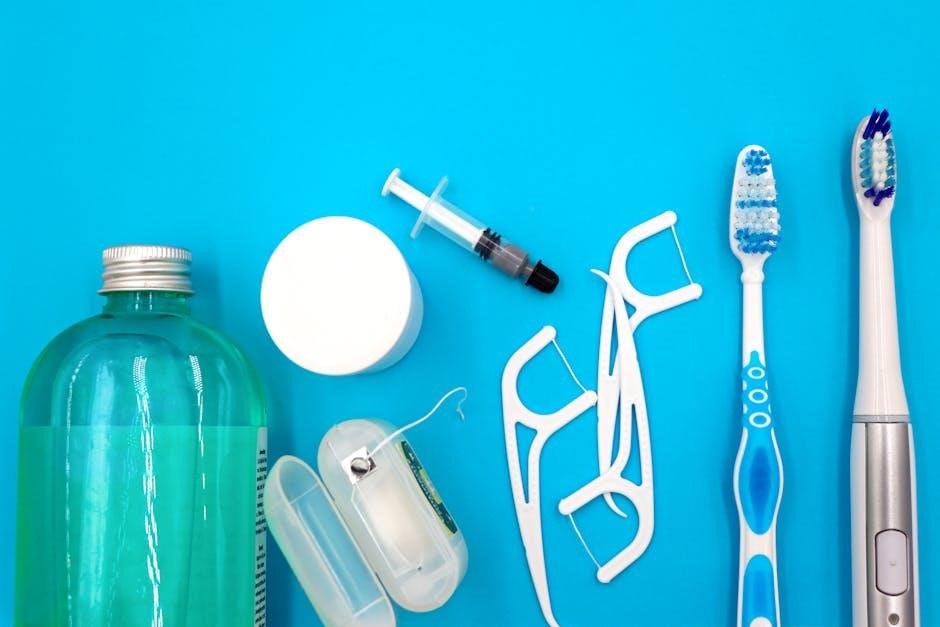
Home Care Products & Recommendations
Maintaining brightness requires specific products! Use recommended toothpastes and consider whitening mouthwashes for supplemental support. At-home touch-up kits can extend results effectively.
Recommended Toothpastes
Selecting the right toothpaste post-ZOOM! whitening is crucial for maintaining your brighter smile and minimizing sensitivity. Desensitizing toothpastes, containing ingredients like potassium nitrate, are highly recommended, especially during the initial days following the procedure. These help to block pain signals to the nerves within your teeth, effectively reducing discomfort.
Look for toothpastes specifically formulated for sensitive teeth, as these are generally less abrasive and won’t further irritate your enamel. Avoid whitening toothpastes immediately after the ZOOM! treatment, as they contain abrasive particles that could increase sensitivity.
Consider options with fluoride to help strengthen enamel and protect against cavities. Your dentist may also recommend a specific brand or formula tailored to your individual needs. Consistent use of a gentle, desensitizing toothpaste will contribute significantly to a comfortable and lasting whitening experience, preserving the beautiful results achieved with ZOOM!
Whitening Mouthwashes: Do They Help?
Whitening mouthwashes can be a supplemental aid, but they aren’t a primary solution for maintaining ZOOM! whitening results. Many contain hydrogen peroxide, aiming to provide a mild whitening effect and help prevent new stains from forming. However, their contact time with teeth is limited, making their whitening power less significant than professional treatments or even whitening toothpastes.
Some mouthwashes also contain ingredients to help reduce sensitivity, which can be beneficial post-ZOOM! treatment. However, it’s crucial to choose alcohol-free options, as alcohol can dry out the mouth and potentially exacerbate sensitivity.
While they won’t dramatically reverse staining, a whitening mouthwash can be a useful addition to your daily oral hygiene routine, contributing to a brighter smile when used in conjunction with proper brushing, flossing, and dietary habits. Don’t rely on them as a standalone maintenance solution.
At-Home Touch-Up Kits: Usage Guidelines
At-home touch-up kits, provided by your dentist after ZOOM! whitening, are designed for maintaining brightness, not for initial whitening. These typically include custom-fitted trays and a lower concentration of whitening gel than used in the in-office procedure. Follow your dentist’s specific instructions meticulously, as overuse can lead to increased sensitivity.
Generally, kits are used for short periods – perhaps 30 minutes to an hour – a few times a year, or as needed to combat minor staining. Avoid prolonged wear, and never exceed the recommended frequency. Proper tray fit is crucial; ill-fitting trays can cause gel leakage and gum irritation.
Store the gel properly, and always use a fresh supply for each touch-up session. These kits are a valuable tool for extending your ZOOM! results, but moderation and adherence to professional guidance are key.

Potential Side Effects & When to Contact Your Dentist
Temporary sensitivity and mild gum irritation are common post-ZOOM! whitening; however, persistent or severe discomfort warrants a prompt dental consultation for evaluation.
Watch for unusual symptoms and don’t hesitate to reach out to your dentist with any concerns regarding your oral health.
Common Side Effects (Sensitivity, Gum Irritation)
Tooth sensitivity is the most frequently reported side effect following ZOOM! whitening, as the procedure temporarily increases tooth porosity. This sensitivity usually subsides within a few days, but can be managed with desensitizing toothpaste and avoiding extreme temperatures.
Gum irritation can also occur, often presenting as redness or mild soreness, due to the whitening gel’s contact with soft tissues. Maintaining excellent oral hygiene and avoiding irritating substances can help alleviate this.
It’s important to remember that these side effects are generally temporary and indicate the whitening process is working. However, if sensitivity is severe or gum irritation persists beyond a few days, contacting your dentist is crucial to rule out any complications and receive appropriate care. Hydration also plays a key role in minimizing discomfort.
Signs of Complications: What to Watch For
While uncommon, certain signs after ZOOM! whitening warrant immediate dental attention. Severe, prolonged tooth sensitivity – lasting more than a week – is a key indicator something may be amiss. Similarly, persistent and worsening gum irritation, including bleeding or swelling, should be evaluated promptly.
Unusual pain not relieved by over-the-counter remedies, or the appearance of white lesions on the gums, are also concerning. These could signal tissue damage or an adverse reaction to the whitening agent. Any significant changes in tooth color after the initial whitening, such as unevenness or dark spots, require professional assessment.
Don’t hesitate to contact your dentist if you experience any unexpected or concerning symptoms. Early intervention can prevent minor issues from escalating into more serious complications, ensuring the long-term health and beauty of your smile.
When to Schedule a Follow-Up Appointment
A follow-up appointment with your dentist is generally recommended one to two weeks after your ZOOM! whitening treatment. This allows for a thorough evaluation of the results and ensures there are no lingering complications. It’s an opportunity to address any remaining sensitivity or gum irritation and discuss long-term maintenance strategies.
Schedule an appointment sooner if you experience prolonged or severe sensitivity, unusual pain, or any concerning changes in your teeth or gums. Don’t wait if you notice white lesions, uneven coloring, or suspect an adverse reaction. Your dentist can assess the situation and provide appropriate treatment.
Even without issues, a check-up confirms the treatment’s success and allows for personalized recommendations regarding touch-up treatments or at-home care to maintain your brighter smile. Proactive care is key!